5 things Google Ads can do automatically
Slowly but surely, an age of ever greater automation is arriving.

Ivana Nosalova
PPC Specialist
8. November 2018
4 min
IntermediateSlowly but surely, an age of ever greater automation is arriving.
Ivana Nosalova
PPC Specialist
8. November 2018
4 min
IntermediateSlowly but surely, an age of ever greater automation is arriving. Online marketing is no exception. What online specialists once had to do by hand, putting their own effort into it, machines can now do instead. Google Ads has been bringing new product updates to light constantly, but with continuing improvements in machine learning it brings us exciting automations that promise similar or even better results for less effort.
Machines will not, however, entirely replace human judgment, humanity and emotion, which is why the best combination is always machines and people working together. Let us now go through 5 things the Google Ads system can already do on its own, automatically, from the data we give it.
At the Google Marketing Live conference held on 11 July in San José, California, the arrival of a new automated campaign type for small businesses was announced. At present this type of smart campaign is available only in the USA.
Besides automatic targeting and automatic goal-based bidding, these smart campaigns will soon automate the generation of ads and landing pages from Google My Business data and from the images we supply the system.
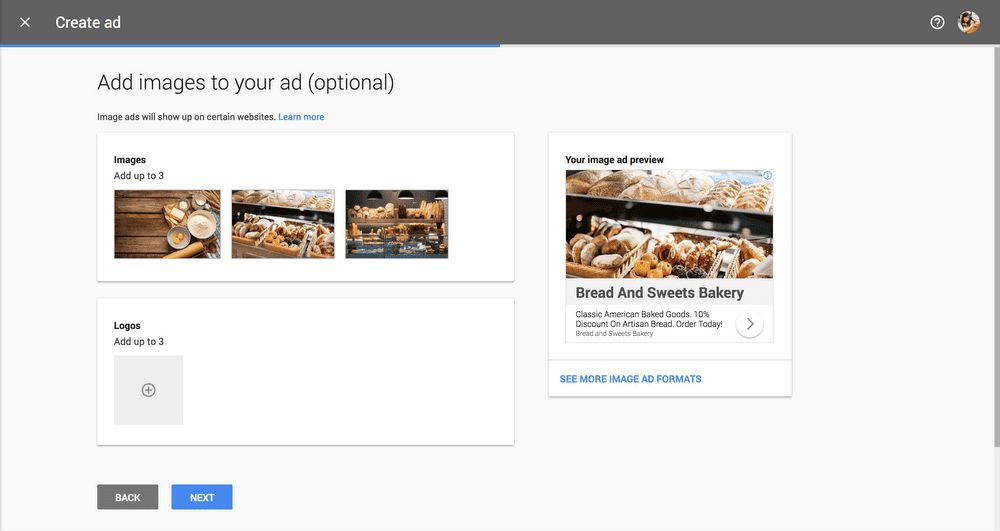
This is the oldest fully automated campaign at Google. Launched in May 2015, these are fully automated campaign types that help advertisers win as many downloads and installs of their apps as possible, or subscription purchases — that is, a particular action within the app. Once set up there is very little scope for optimisation.
The system manages bids, targeting and creatives and works towards maximum results in meeting the goal set, within the budget the advertiser sets. Unlike most campaigns, with universal campaigns promoting apps you do not have to design any individual ads. The system uses your ad text ideas and assets from your app's store listing. From that material the system designs various ads in several formats and for different networks. All you have to do is enter the text, an initial bid and, of course, the budget mentioned above.
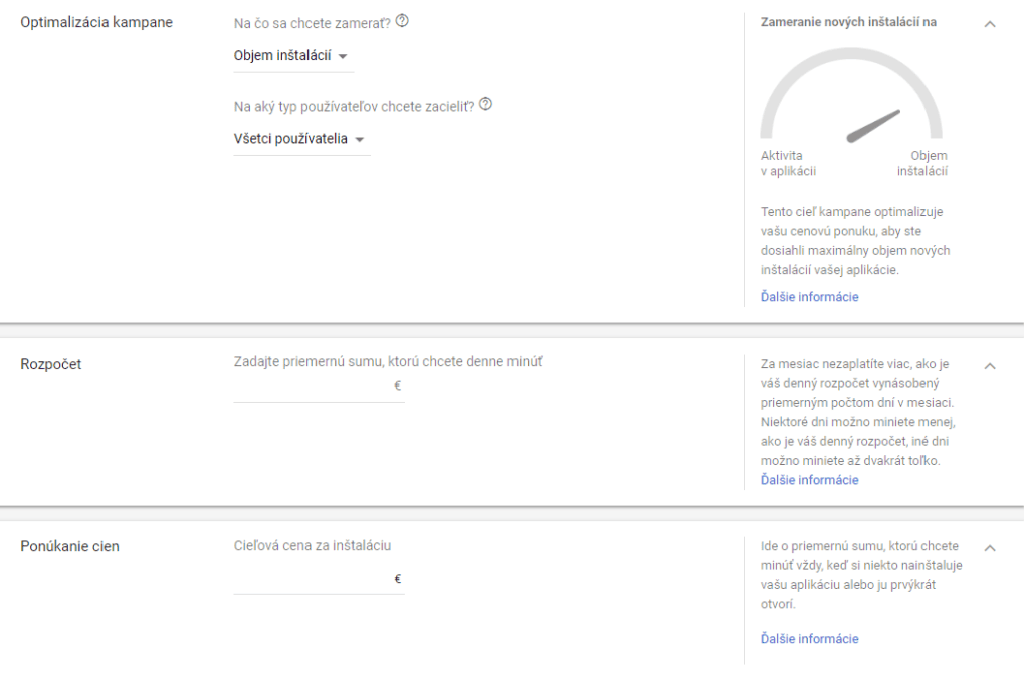
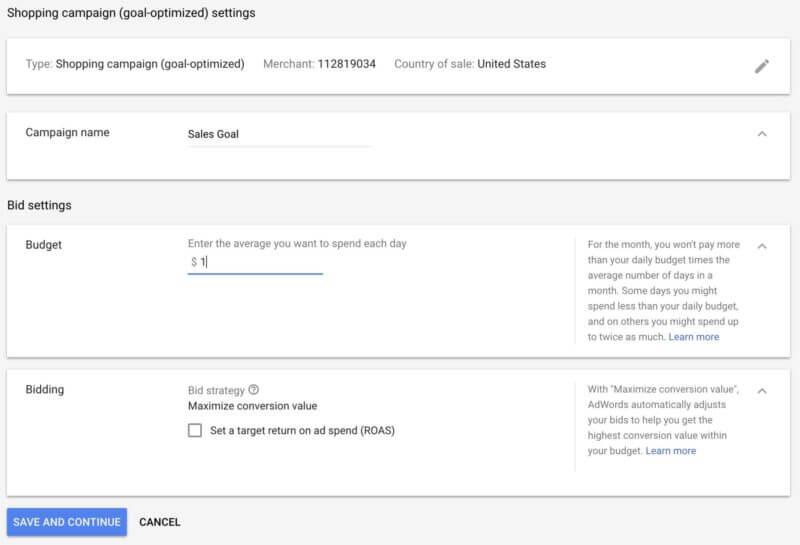
This is a Shopping campaign subtype, and Shopping currently accounts for 60% of all clicks in the Google search network among retailers. This subtype is not yet available in Slovakia, nor is the Shopping campaign as a whole. With a Shopping campaign, a user's search shows not a text ad but your product inventory directly. Google is aware that managing and running ads for tens of thousands of products is more demanding, which is why it is trying to make it as easy as possible for advertisers to use Shopping ads by automating more of the management.

This campaign automatically runs Shopping ads and remarketing ads on the Google Display Network and uses data from at least 20 conversions (goals) over the last 45 days to predict the bids most likely to reach maximum sales value. Advertisers can set a return on ad spend (ROAS) target and the system will work to maximise sales within that goal, budget and profitability target.
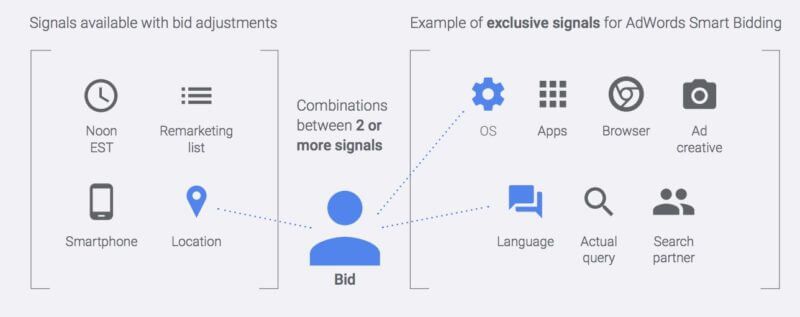
Google has seven automated bidding strategies that help advertisers reach various business goals with minimal work. Three of them are based on smart bidding, the mechanism by which Google uses machine learning to predict which clicks are most likely to lead to conversions and bring in profit.
With smart bidding strategies such as target cost per action (CPA), target return on ad spend (ROAS) and enhanced cost per click (ECPC), Google uses a mechanism whereby the system applies machine learning to predict which clicks are most likely to lead to conversions and bring in profit.
Automated bidding is perhaps a slight misnomer, because although it automates aspects of bid management, it should not be considered fully automated. Even with the automation, then, the results have to be watched and factors the system does not take into account (client goals, personal experience) allowed for.
For advertisers with large websites, or sellers with a wide range of different products, keeping search network ads in step with what they currently offer can be demanding. Dynamic Search Ads (DSA) offer an automatic solution that targets ads at relevant queries, with relevant ads and the right landing page. In plain terms it means the ad copy adapts automatically to what the user is searching for.
Google targets the ads automatically, serves ads with an automated headline and shows people exactly what they are searching for. All the advertiser does is choose whether to include the whole site or only certain pages, and manage the target bids or automate them through a bidding strategy.

Here at the agency we have very good experience with machine learning and automated campaigns. Give Google enough data and it can bring us very handsome results on its own, without much effort on our part. The downside is that there is less control over such a campaign. The direction of travel is that Google will do everything automatically, by machine. For Google to work automatically, though, it needs as much data poured into the system as possible so it can optimise results in the direction we want. Machines also cannot fully account for seasonality and the exceptions of a particular business, so the online specialist's job will certainly not disappear in future — its contours will simply change. :)
Source: www.searchengineland.com
Ivana Nosalova
PPC Specialist
The latest trends, proven practices and analyses from the digital world. Find out how to take your technology and marketing growth further.
And don't forget to check out Invelity Extras – you'll find a marketing glossary, useful tools and plugins to make your work easier!
Invelity Extras